Audubon Park
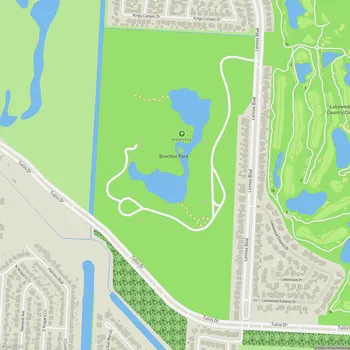
Interactive Park Map
About Audubon Park
Historic Origins
What's now a cherished 350-acre park in New Orleans was actually a plantation back in the 18th and early 19th centuries, until the city purchased the land in 1871 and transformed it into a public space. It sits in the Uptown neighborhood, a peaceful escape from the city's energetic streets.
In 1886, the park was named after John James Audubon, the famous naturalist who called New Orleans home during the 1820s. Pretty cool to think about walking the same grounds as such a legendary figure.
Landscape Design
The park's beautiful layout didn't happen by accident. The Olmsted Brothers landscape architecture firm - kind of like the rock stars of park design in their day - influenced its development, with John Charles Olmsted creating a master plan in 1898. While not everything from his vision made it to reality, you can still see much of his original concept in the lagoons and central meadow that define the park today.
Planning an event? Make a reservation at this park
What truly makes Audubon Park special are its magnificent live oak trees. Some of these giants have been standing for over 250 years, creating gorgeous tree-lined paths around the park. With Spanish moss hanging from their branches, these trees give the park that quintessential Southern charm. If you're looking for a moment of peace, head to the Tree of Life, an especially impressive oak near the river that has become something of a natural sanctuary.

Recreation and Wildlife
The 1.7-mile paved jogging path that loops around the park works well for both fitness enthusiasts and those who prefer a leisurely stroll. The one-way design keeps everyone moving safely in the same direction - a thoughtful touch for all who use it. If you'd rather avoid the crowd, a 2.2-mile unpaved dirt path runs around the park's outer perimeter and tends to be considerably quieter.
The park's lagoons aren't just pretty to look at - they're teeming with life. Ochsner Island, regarded as one of the top birding destinations in the greater New Orleans area, draws large numbers of wading birds during nesting season, including great egrets, snowy egrets, cattle egrets, ibis, little blue herons, and night herons. Diving birds like double-crested cormorants and anhingas also frequent the lagoon, and black-bellied whistling ducks are a regular sight during winter migration. Keep your eyes peeled for ducks, swans, and turtles as you wander through the park.

Evolution and Attractions
Audubon Park has reinvented itself many times over the years. It was even the site of the World's Industrial and Cotton Centennial Exposition back in 1884-1885, and in the early 1900s, a zoo was established within its grounds. One tangible link to that 1884 fair still survives in the park today: a large iron ore rock that originally formed part of the Alabama State exhibit, and is thought to be the only known surviving physical artifact from the event. Local legend has long - and incorrectly - identified it as a meteorite.
Today, the Audubon Zoo remains one of the park's biggest attractions. But there's so much more to do here - from playing a round on the golf course to letting the kids loose on several playgrounds, or enjoying a match on the tennis courts or soccer fields. If you're into fitness, you'll appreciate the outdoor workout stations scattered along the paths.
One of the park's sports fields carries a name with a somber history. David Berger - Avenger Field was renamed by the New Orleans city council in 2002 to honor David Mark Berger, a Tulane University graduate and athlete who was killed during the 1972 Munich Olympic Games hostage crisis.

Riverside Experience
Don't miss what locals affectionately call "The Fly" - a section of the park along the Mississippi River offering views of the water. The nickname has an interesting origin: in the 1960s, a modernist viewing shelter with a distinctive butterfly shape was built along the riverfront here, but it was badly damaged when a river vessel struck it on a foggy morning and was eventually demolished in the 1980s. The name, however, has outlasted the structure by decades.
Been to this park? Share a or a
It's a great spot to catch a sunset, watch massive ships navigate the river, or simply enjoy a picnic while the mighty Mississippi flows by. There's something incredibly calming about sitting by the water as the day winds down.

Community Space
The park's location near Tulane and Loyola universities brings a youthful energy to the space, with students and professors often seen reading under trees or jogging along the paths.
From spreading out a blanket beneath the shade of century-old oaks to kicking a soccer ball around, Audubon Park offers something for everyone. Dog lovers will be happy to know their leashed four-legged friends are welcome too. Several covered pavilions and picnic areas with tables make it easy to plan anything from a solo lunch break to a full family reunion.
With clean restrooms, convenient water stations, and plenty of parking, Audubon Park is one of New Orleans' most treasured green spaces - a place where the city's rich history and natural beauty come together.
All Features & Facilities
Active Recreation
Nature & Wildlife
Water Features & Activities
Visitor Services
Food & Gathering
Upcoming Events (1)
Community events and activities happening nearby
Photo Gallery (tap to enlarge)
Looking south from the bridge across the lagoon
The Audubon Park Lagoon is adjacent to the golf course

Large trees provide shade
A flock of ducks gathers around a bench by the water's edge
Visitors feed white ibis right across from Bird Island
Notable Sights (8)
Points of interest, landmarks, and things to see in this park
Monument (1)
A sports field renamed in 2002 to honor David Mark Berger, a Tulane graduate killed in the 1972 Munich Olympics hostage crisis.
Trail (1)
A 2.2-mile unpaved path around the outer edge of the park, offering a quieter alternative to the main paved jogging loop.
Viewpoint (1)
The riverside section of the park, named for a now-demolished 1960s butterfly-shaped shelter, where visitors watch ships on the Mississippi and enjoy sunsets.
Other (5)
The Audubon Zoo has been part of the park since the early 20th century, with major upgrades during the WPA era and later decades.
A large iron ore rock, the last surviving artifact from the 1884 World's Cotton Centennial Exposition, originally part of the Alabama State exhibit.
Leave a Comment
Opening Hours
Weather
Top Restaurants Near Audubon Park
Hot Stuff
7507 Maple St, New Orleans, LA 70118
Cafeteria-style Southern restaurant serving exceptional fried chicken, ribs, and traditional comfort food with generous portions.
Maple Street Café
7623 Maple St, New Orleans, LA 70118
A cozy neighborhood restaurant serving delicious comfort food including specialty pasta dishes and daily specials.
Medium Rare
5538 Magazine St, New Orleans, LA 70115
A steakhouse offering quality cuts with bottomless brunch options and attentive service in a lively atmosphere.
Louisiana Pizza Kitchen
615 S Carrollton Ave, New Orleans, LA 70118
Comfortable Italian eatery featuring wood-fired pizzas, pasta, and salads in a family-friendly atmosphere with local art.
Origami Restaurant
5130 Freret St, New Orleans, LA 70115
Casual Japanese restaurant serving fresh sushi and traditional fare with unique New Orleans spice influences.
The Camellia Grill
626 S Carrollton Ave, New Orleans, LA 70118
Classic diner serving traditional American comfort food and breakfast with bow-tied waiters in a storied atmosphere.